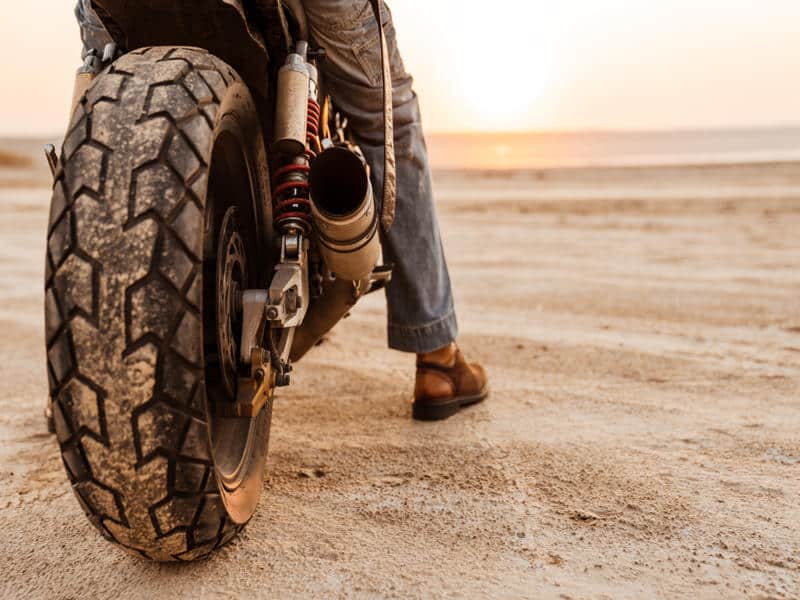
Spring hits Chicago, the roads open up, and riders everywhere are itching to twist the throttle. But here’s something most people don’t think about until it’s too late: your rubber is probably lying to you. They look fine. They hold air. You rode on them last season with no issues. But that doesn’t mean they’re safe.
At EPM Motorsports, we’ve seen what happens when tire care gets ignored—and it’s never pretty. Whether you ride a motorcycle, ATV, or UTV, your hoops are the only thing connecting you to the road or trail. Everything else is just along for the ride. Here’s what actually goes wrong with pneumatics, and more importantly, how to prevent it.
Most riders check wheel pressure once—maybe when they first get the bike, or after storage—and then assume it’s fine. Wrong. Air pressure changes with temperature, which means as Chicago swings from 40°F mornings to 70°F afternoons, your tire pressure is doing the same dance.
Underinflated pneumatics reduce control and increase rolling resistance, which means premature wear and terrible fuel efficiency. Your bike feels sluggish, corners feel unpredictable, and you’re wearing out rubber faster than you should. Overinflated tires? The opposite problem. Your ride feels harsh, the contact patch shrinks, and you’ve got less grip exactly when you need it most.
The fix: Check pressure weekly with a quality gauge, especially after your machine’s been sitting. Not sure what PSI you need? Bring it by EPM Motorsports during routine maintenance—we’ll verify your manufacturer’s specs and fill your tires correctly. It takes five minutes and prevents hundreds in premature tire replacement.
Pro tip: Buy a good wheel pressure gauge and actually use it. The cheap ones lie. The expensive ones tell the truth. Your choice which one you trust with your safety.
Hoops don’t just wear out—they communicate. Uneven wear is your rubber screaming that something else is broken. Maybe it’s alignment. Maybe it’s suspension. Maybe you’ve been running the wrong pressure for months. Either way, ignoring uneven wear means you’re riding on borrowed time.
Here’s what to look for:
If you spot any of this, don’t ride on it and hope for the best. Come by our Chicago shop for full powersports vehicle inspections. We catch issues before they turn into blowouts or accidents. Better to hear bad news in the shop than discover it at speed.
If you feel vibration in your handlebars or foot pegs, your tires are out of balance. Or your wheels are misaligned. Or both. This isn’t just annoying—it’s destroying your tires faster than normal wear ever could.
Out-of-balance tires create uneven contact with the road, which leads to cupped wear patterns and shortened life. Misalignment does the same thing but worse, because now your bike is fighting itself with every mile. You’re burning through rubber, wearing out suspension components, and making your machine harder to control.
At EPM Motorsports, we use high-precision tools for balancing and wheel alignment services across motorcycles, ATVs, and UTVs. A properly balanced and aligned setup means longer life, smoother handling, and safer conditions. It’s not optional maintenance—it’s foundational.
Here’s a fact nobody wants to hear: minimum legal tread depth is not “good enough.” Most states require 1/32 inch of tread, which is the absolute bare minimum before your wheels are considered bald. But riding that close to the limit—especially in Chicago’s unpredictable weather—is asking for an accident.
Tread depth affects traction in wet conditions, on loose gravel, and in emergency braking situations. Slicks don’t grip, they slide. And when you need traction most, you won’t have it.
For street bikes and off-road machines, we recommend replacing wheels well ahead of legal minimums. Need new rubber? We stock performance tires from trusted brands for every type of riding—commuting, touring, track days, trail riding. Whether you’re on pavement or dirt, we’ll match the right choice to your riding style.
And because we know disposing of old pneumatics is a pain, EPM offers Chicago tire disposal service. Bring in your worn-out rubber, we’ll handle it responsibly.
Storing your bike or ATV for winter without proper prep? You’re setting yourself up for flat spots, cracks, and dry rot. Rubber sitting under load develops permanent flat spots where they contact the ground and being exposed to sunlight or extreme cold makes it lose elasticity and crack. Both problems are completely preventable.
Not sure how to prep your ride for winter? Our powersports winterization service includes tire checks, proper inflation, and full storage prep. We make sure your machine is ready to go when riding season returns—not sitting with ruined wheels and a hefty replacement bill.
Tires have a shelf life, even if they “look fine.” Rubber compounds break down over time from UV exposure, ozone, heat cycling, and just plain aging. A hoop with great tread can still fail catastrophically if the rubber has degraded internally.
Every tire has a date code molded into the sidewall—four digits indicating the week and year of manufacture. A tire marked “2319” was made in the 23rd week of 2019. Regardless of tread depth, most manufacturers recommend replacing tires after 5-7 years. Some aggressive riders replace them sooner.
At EPM Motorsports, we inspect tire date codes during service and give you honest advice about replacement timing. We’re not trying to sell you tires you don’t need—we’re trying to prevent failures that could hurt you.
We’re not here to upsell. We’re here because we’re part of Chicago’s powersports community, and we’ve seen what happens when tire maintenance gets ignored. Here’s how we actually help:
Inspection and pressure checks → Quick in-shop evaluations catching problems early
Mounting and balancing → Professional installation with high-precision balancing
Flat repair → Safe plug and patch services for tubeless tires
Wheel alignment → Critical for performance and longevity
Fleet maintenance → For delivery riders or group owners needing consistent upkeep across multiple machines
Performance upgrades → Want better grip or handling? We’ll upgrade your wheel setup as part of broader performance tuning
Whether you ride a Harley, a Yamaha R1, a Polaris RZR, or a Honda Grom, we’ve got the tools, the expertise, and the experience to maintain your machine properly. We’re not just a repair shop—we’re riders who understand what’s at stake.
Tire care isn’t glamorous. It’s not exciting. Nobody’s posting Instagram photos of their pressure checks. But it’s one of the easiest ways to improve safety and performance, and it’s the maintenance task that gets skipped most often.
Check your pressure weekly. Inspect for damage regularly. Replace tires when they need it, not when they look bad enough to scare you. The rubber is literally the only thing between you and the ground—treat it accordingly.
Planning to ride this season? Make wheel care a priority. Whether you need a pressure check, a new set, or help choosing the right tread, we’ve got your back.
Ask for repairs or contact us at (773) 207-3730 or email info@epmmotorsports.com.

