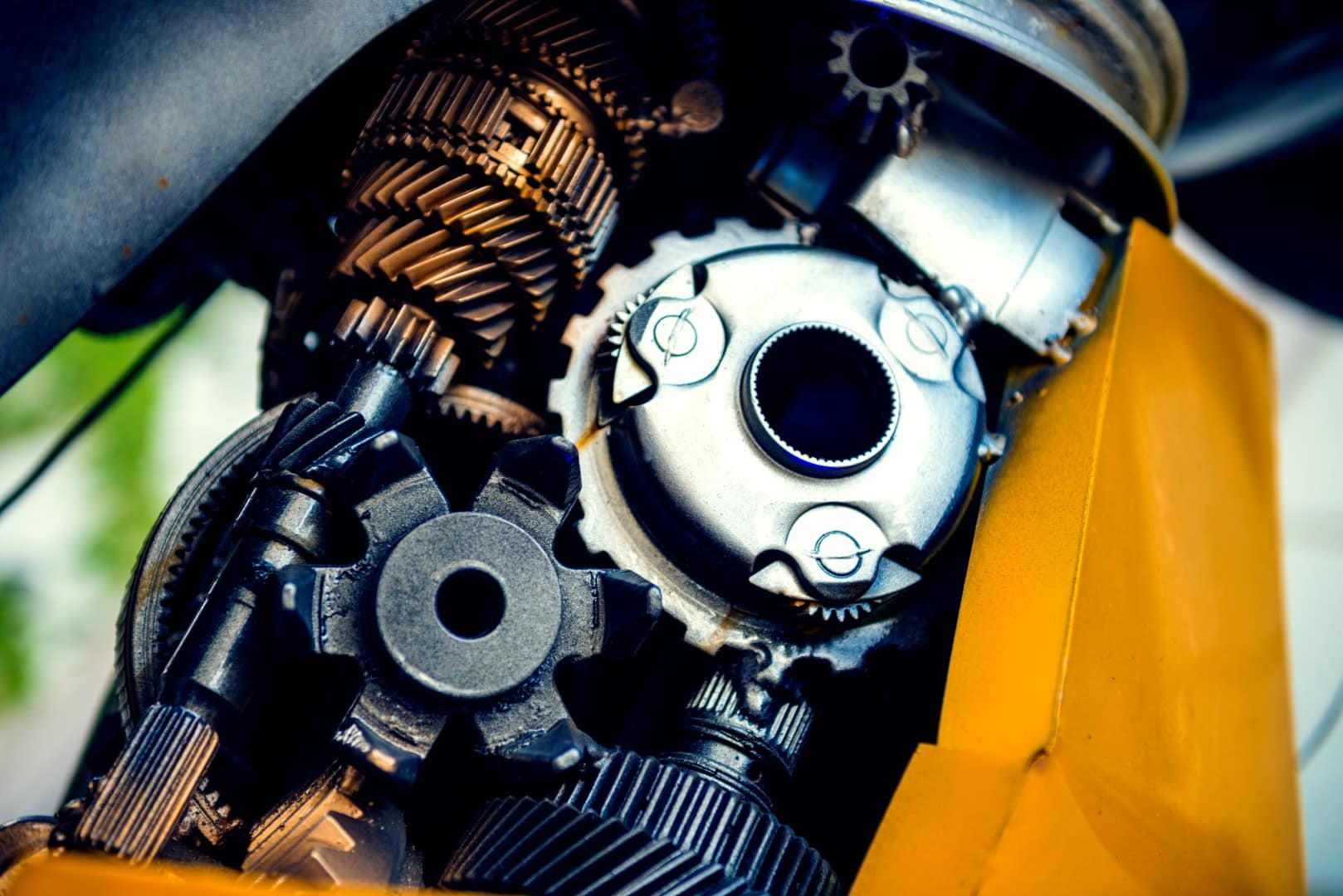
Your motorcycle’s clutch handles thousands of engagements every ride, transferring power through friction and steel plates. Understanding maintenance—from soaking new plates to recognizing wear symptoms—keeps your bike shifting smoothly and prevents costly repairs.
When installing new friction plates, soaking ensures they’re ready to perform from the first engagement. Most mechanics recommend 30 minutes to 2 hours in clean motorcycle oil before installation, though overnight provides maximum absorption and best results.
These components arrive dry from the factory. Without adequate soaking, they absorb oil unevenly during initial use, causing rough engagement, grabbing, or premature wear. The fibers need time to saturate—rushing this creates avoidable problems.
Submerge completely in clean oil matching what you’ll use in your bike. Thirty minutes works in a pinch, but 1-2 hours represents the sweet spot. Professional race teams keep spares soaking in sealed bags until needed—showing how long you soak motorcycle clutch plates in oil matters to professionals.
After soaking, let excess oil drip off before installation. They should feel saturated but not dripping wet.
Slip happens when the contact surfaces can’t maintain grip, creating erratic power transfer from engine to rear wheel. Instead of smooth acceleration matching your throttle input, the engine revs climb without corresponding speed increase—power gets lost between combustion chamber and pavement.
Common symptoms include:
Engine RPMs rise during acceleration without matching speed increase, particularly noticeable when climbing hills or accelerating hard. The bike sounds like it’s working but doesn’t deliver expected performance.
Soft or spongy lever feel compared to normal firm resistance. Inconsistent engagement makes smooth shifting difficult.
Burning smell after riding, similar to overheated brakes or burning rubber. This usually means excessive heat from slipping material and needs immediate attention.
Difficulty finding neutral or rough shifting between gears. While not always related, persistent shifting problems combined with other symptoms point toward issues.
Several factors contribute to failure:
Worn plates represent the most common culprit. After 20,000-30,000 miles, the material thins and loses grip effectiveness. Aggressive riding, frequent hard launches, and stop-and-go traffic accelerate wear. Chicago’s dense urban traffic particularly tests durability with constant shifting cycles.
Wrong oil type or excessive level both cause slipping. Motorcycles need specific oil without modifiers—car oils sometimes provide too much lubrication, preventing the components from gripping effectively. Excessive oil in the crankcase also creates pressure issues affecting performance.
Weak springs gradually lose tension, especially under high heat. Without sufficient spring pressure, slipping happens even if the contact material remains in good condition.
Worn basket develops grooves where components ride, preventing smooth movement and even engagement. High-mileage bikes show basket wear more quickly.
Improper cable adjustment affects engagement and can mimic failure. Too much slack or tension both create problems—sometimes what feels like slipping is actually a misadjusted cable.
Not every problem requires a complete replacement. Start with simple checks before tearing into the basket:
Check cable adjustment first. The lever should have slight free play before engaging—typically a few millimeters of movement before resistance begins. Too tight means constant slight disengagement; too loose prevents full release. This adjustment takes minutes and often solves perceived problems. If the lever itself is bent, cracked, or worn, the question becomes how to change the clutch lever without affecting cable routing or adjustment.
Inspect oil level and type. Drain and replace if you’ve used the wrong specification or overfilled the crankcase. Fresh, correct oil can sometimes resolve slipping without requiring mechanical work.
Measure thickness if accessible. Components below the minimum specification need replacement. Most service manuals list minimums—anything below spec means replacement time regardless of feel.
Check for glazed surfaces. Overheating creates a glassy, hardened surface that prevents grip. Glazed components might measure within spec but won’t function correctly.
Regular care extends life significantly. Use manufacturer-specified oil formulated for wet clutches—avoid automotive oils with modifiers unless explicitly approved. Chicago’s temperature extremes make correct viscosity selection particularly important.
Some work suits DIY mechanics, but certain situations call for expertise. Complete replacement requires specialized tools, precise measurements, and correct torque specifications. Understanding components properly prevents expensive mistakes—basket replacement, in particular, demands experience, since improper handling can separate internal gears and cause costly damage.
Hydraulic systems add complexity beyond cable-operated designs. Bleeding hydraulic lines, diagnosing master cylinder issues, and troubleshooting pressure loss require specific knowledge. When complex hydraulic work or complete rebuilds exceed your skill level, professional mechanics handle the technical aspects correctly.
Winter storage also affects condition. Bikes sitting idle during Chicago’s cold months benefit from preparation that prevents plate sticking and ensures smooth spring startup.
Attention to your motorcycle’s power transfer system—from correct plate soaking during installation to early problem recognition—keeps your bike shifting smoothly for thousands of miles.

