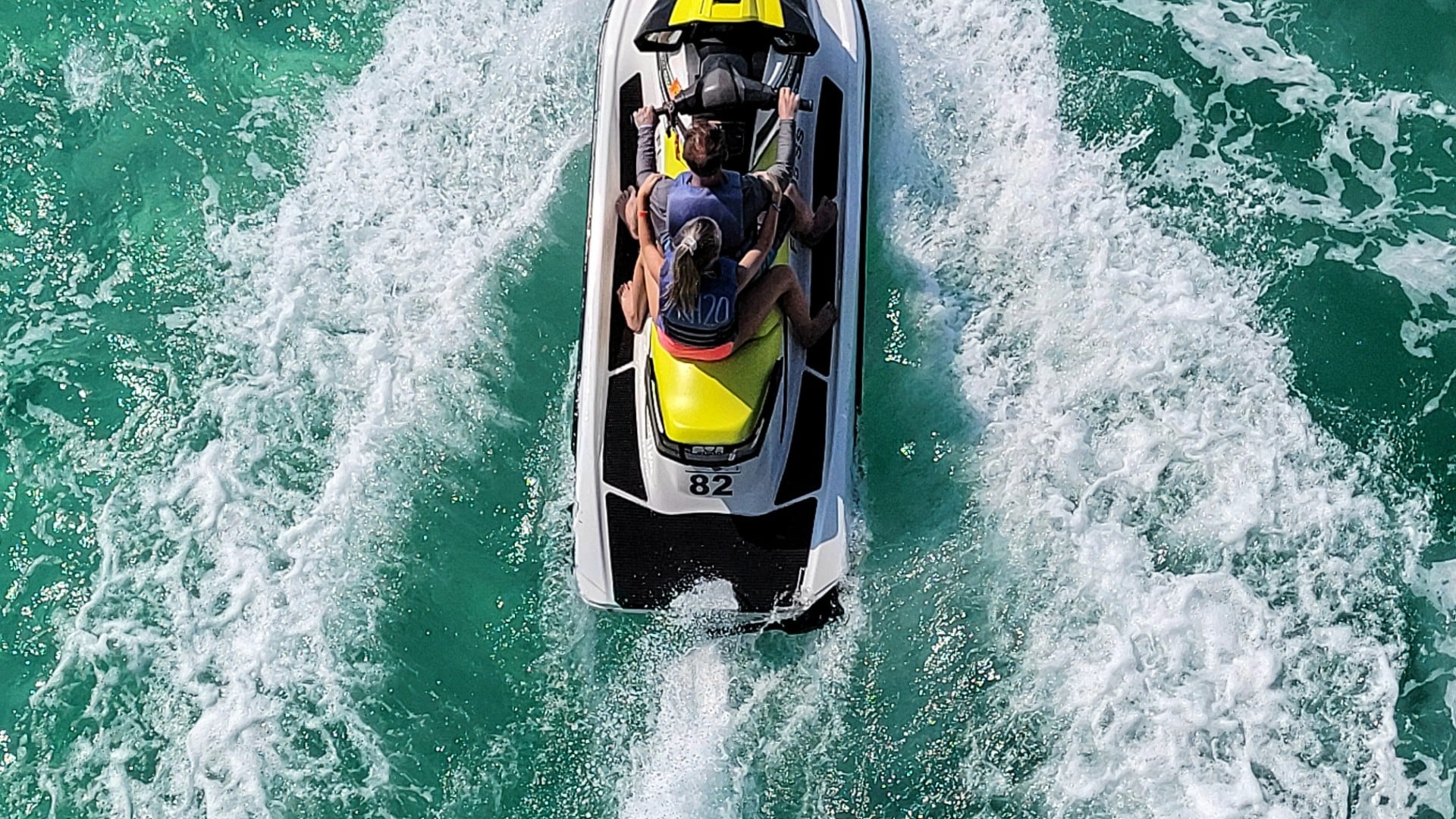
Personal watercraft operate differently from traditional boats, and understanding these differences prevents dangerous situations on the water. Whether you’re new to jet skis or returning after years away, grasping how these machines respond to your inputs—especially regarding steering—can mean the difference between confident control and losing command entirely.
What is needed for steering control on a PWC? Unlike boats with rudders or outboard motors that pivot, PWCs steer by redirecting thrust from the jet pump. The handlebar turns a nozzle at the rear that angles the water jet, pushing the stern sideways and changing direction—but here’s the key limitation: this system only functions when the engine produces thrust.
Essential elements for steering response:
This dependency on throttle creates high-risk scenarios for inexperienced operators. When panic hits—say, you’re heading toward a dock or another vessel—instinct says kill the throttle and turn hard, but on a watercraft, that combination guarantees impact. The handlebars move the nozzle, yet without water shooting through that nozzle, nothing happens and the machine drifts wherever momentum takes it.
As a result, effective maneuvering means keeping some throttle engaged while steering, even in emergencies. Partial throttle still provides enough drive force to redirect and avoid obstacles. Completely chopping power removes your ability to change course—a lesson that catches riders off guard their first season.
Beyond steering misconceptions, several operator errors create loss-of-control situations on Lake Michigan and local waterways.
Other boaters struggle to see jet skis due to their low profile on the water. What feels visible from the operator’s seat often blends into wave patterns from another vessel’s perspective. For this reason, assume larger boats don’t see you, especially when they’re turning or backing out of slips.
Moreover, right-of-way rules apply to all watercraft equally. Overtaking traffic must stay clear of vessels being passed, and when two craft meet head-on, both should alter course to starboard (right). In crossing situations, the vessel on the right has right-of-way—yet in practice, many operators ignore these rules, assuming their agility exempts them when it doesn’t.
Every operator must wear a Coast Guard-approved life jacket—it’s federal law. Equally important, the engine cutoff lanyard should be clipped to your wrist or life vest before starting the motor. If you fall off, the lanyard pulls free and kills the engine immediately, stopping a runaway machine that could circle back and cause injury.
Beyond basic equipment, proper maintenance ensures reliable operation. Water intrusion, worn impellers that reduce drive force, or cooling system blockages all affect performance and steering responsiveness. Regular PWC maintenance catches these issues before they create problems on the water.
Check your registration and required equipment before launching. Illinois requires registration for all motorized vessels, navigation lights for operation after sunset, and a sound-producing device, while fire extinguishers are mandatory on PWCs with enclosed engine compartments.
Operation demands active attention every second you’re underway. Unlike cars with lanes and traffic signals, waterways offer few visual guides. You’re responsible for maintaining awareness of everything around you—other boats, swimmers, buoys, underwater hazards, weather changes, and your wake’s impact on smaller vessels or shoreline property.
Consequently, Chicago waterways see heavy recreational traffic from May through September. Knowing when and where congestion occurs helps you plan safer outings. Early mornings offer calmer water and fewer boats, while weekday travel avoids the weekend crush at popular launch sites.
Understanding how your jet ski responds—especially that throttle-dependent steering—transforms you from a passenger hoping things work out to an operator in command. The mechanics aren’t complicated, but they’re different enough from cars and boats that assumptions get people hurt. Respect those differences, maintain your equipment properly, and operate defensively.

