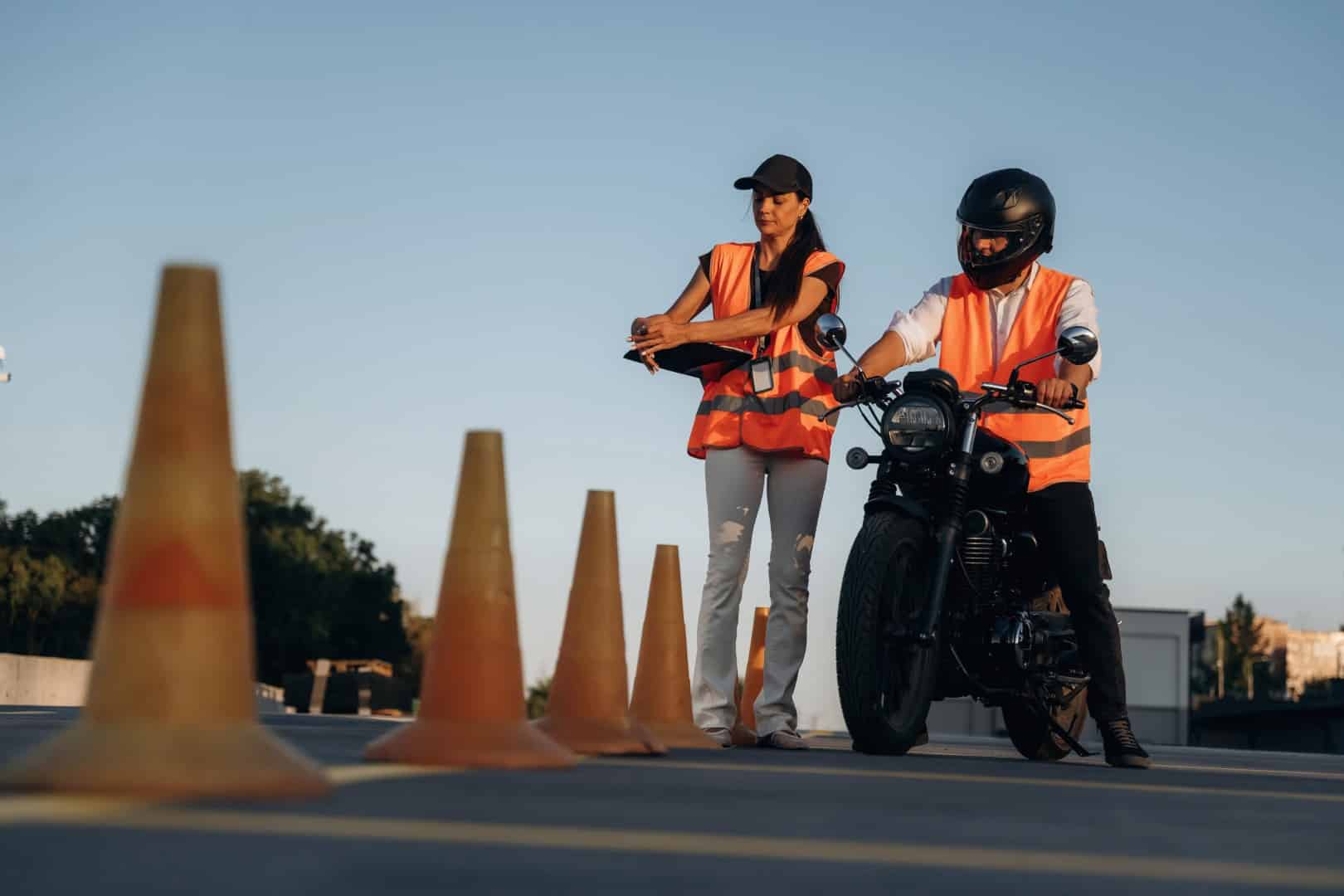
Operating a motorcycle in Chicago demands more than just skill—it requires understanding how weather, traffic patterns, and modern technology work together to keep you upright and visible. Whether you’re navigating rush hour on the Kennedy or cruising Lakeshore Drive on a summer evening, these essentials help you travel smarter and stay safer.
Motorcycles have evolved beyond basic brakes and mirrors. Modern features actively help prevent crashes, especially in challenging conditions where split-second decisions matter.
What is ABS on a motorcycle? Anti-lock Braking System (ABS) prevents wheel lockup during hard braking by rapidly pulsing brake pressure—typically 15 times per second. When you apply maximum braking force in a panic stop, the system keeps the wheels rotating just enough to maintain steering control and prevent skidding.
This technology matters most in wet conditions or on loose surfaces where traction is compromised. Without it, locking the front wheel almost always results in a crash. When active, the system modulates brake pressure faster than any rider can, maintaining maximum stopping power while preserving control.
For example, wheel speed sensors detect impending lockup, then reduce brake pressure momentarily before reapplying it—all in fractions of a second. Riders feel this as a pulsing sensation in the brake lever or pedal.
However, anti-lock braking requires properly functioning components to work effectively. Worn pads, contaminated fluid, or faulty sensors prevent activation when needed. Regular motorcycle inspection and maintenance ensures the technology functions as designed. Traction control systems add another layer by monitoring rear wheel spin and reducing power delivery when detecting slip.
Urban weather changes fast. A sunny morning commute can turn into a downpour by afternoon, leaving riders wondering about their options.
Can you ride a motorcycle in the rain? Yes, but rain fundamentally changes how your bike behaves and requires technique adjustments. Reduced grip on wet pavement means stopping distances increase by 50% or more, and cornering stability decreases substantially.
When rain starts, the first 15 minutes are the most dangerous. Oil, coolant, and tire residue that built up on dry pavement float to the surface, creating an invisible slick layer. If possible, wait out this initial period. Once heavier rain washes away surface contaminants, contact stability improves slightly.
As a result, you’ll need to adjust your technique for wet roads. Smooth inputs become critical—abrupt throttle, brake, or steering changes can break traction instantly. Increase following distance to at least four seconds. In addition, avoid painted road markings, manhole covers, and metal plates—these become ice-slick when wet.
Visibility drops for everyone in rain. Use your headlight even during daytime, and consider high-visibility rain gear. Standing water hides potholes and debris, so avoid riding through puddles when possible.
Therefore, some conditions warrant parking the bike. Heavy storms with lightning, standing water deep enough to submerge your exhaust, or ice and snow all create risks that outweigh the benefits.
City traffic means sharing space with distracted drivers, delivery trucks making sudden stops, and taxi doors swinging open without warning. Defensive techniques keep you out of these situations before they develop.
Position yourself where drivers can see you. The left third of your lane puts you in the car mirrors rather than the blind spots. Avoid traveling directly alongside vehicles—either pass them completely or stay well behind.
Furthermore, scan 12 seconds ahead, watching for brake lights, turn signals, and vehicles starting to drift. Assume you’re invisible at every intersection. Drivers waiting to turn left often don’t see approaching motorcycles, and vehicles edging into your lane rarely check their mirrors first.
Local hazards include bike lanes that encourage drivers to open their car doors into your path, Lakeshore Drive traffic that suddenly slows for beach parking, and construction zones that appear overnight.
Urban roads present constant challenges beyond weather and traffic. Freeze-thaw cycles in Chicago create potholes that can swallow a wheel, while construction leaves gravel, uneven pavement, and temporary metal plates.
Watch for these common urban hazards:
Being seen prevents more crashes than any other single factor. Bright colors, reflective materials, and proper lighting make you noticeable to drivers who otherwise might not register your presence.
Headlight modulators that pulse your headlight draw attention during daytime travel. High-visibility jackets in yellow or orange stand out in urban environments where most vehicles are dark-colored.
Protective gear serves dual purposes—crash protection and preventing incidents before they happen. Full-face helmets, armored jackets, gloves, and boots protect you if something goes wrong. Choosing gear with reflective panels or bright colors helps ensure nothing goes wrong in the first place.
Night travel requires extra vigilance. Ensure your bike’s lights work properly, avoid other vehicles’ blind spots, and reduce speed to give yourself more reaction time.
Safe motorcycle operation combines technology, technique, and awareness. Modern systems like anti-lock braking provide backup when road environments deteriorate, but they can’t replace good judgment and defensive practices. Understanding how weather affects contact stability, where to position yourself in traffic, and how to maintain your line of sight creates layers of protection that keep you safer on every trip.
Ultimately, the work you put into developing these habits—checking your surroundings constantly, adjusting for road environments, maintaining your bike properly—pays off in thousands of uneventful miles. That’s the goal: making every Chicago ride as unremarkable and safe as the last one.

