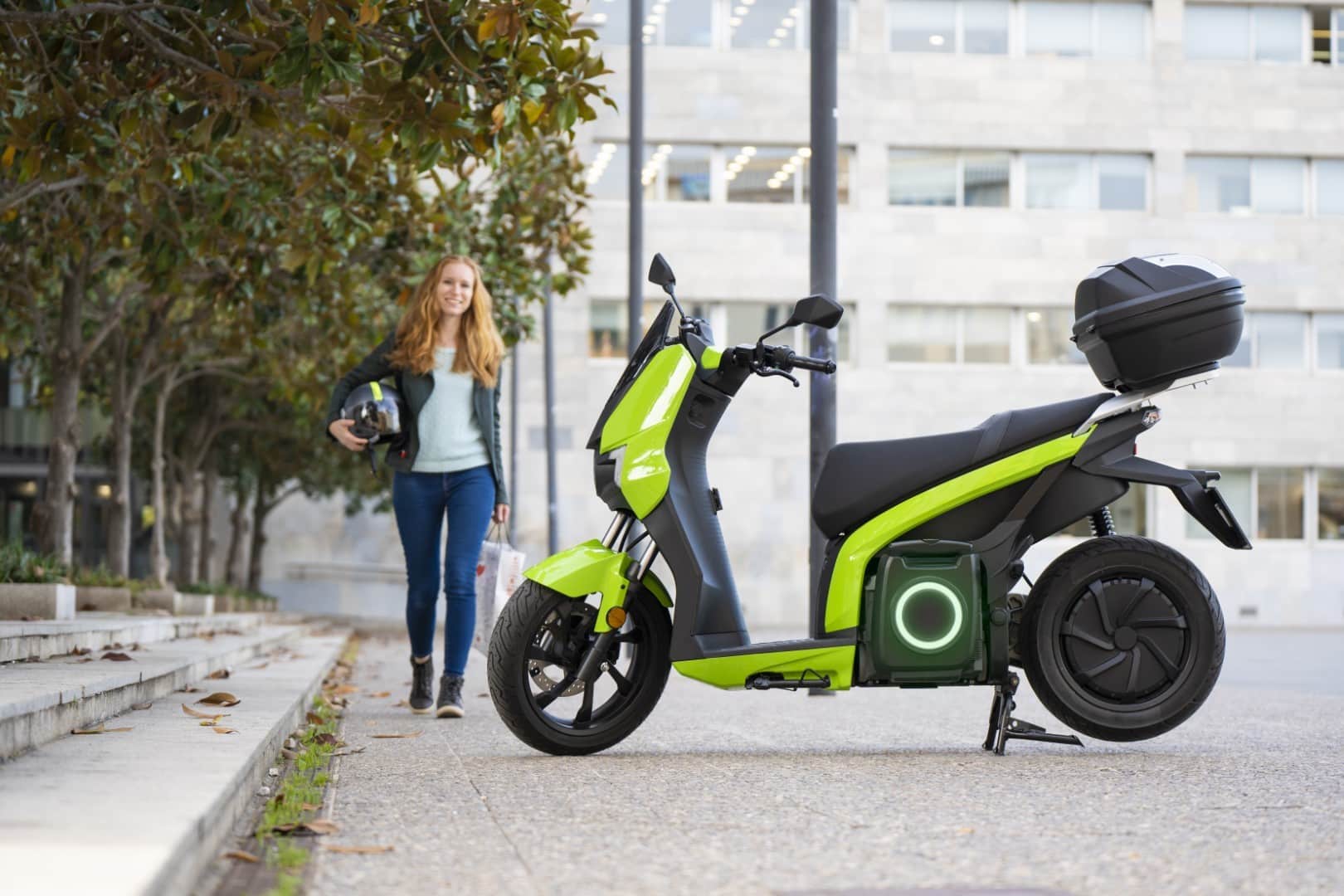
The motorcycle industry stands at a crossroads between combustion engines and electric power. People researching their next purchase often ask: does Harley-Davidson make an electric motorcycle, and are Can-Am electric motorcycles available? Understanding what each manufacturer offers—and what the shift to battery power actually means for owners—helps you make informed decisions.
Yes, Harley-Davidson produces battery-powered motorcycles through LiveWire, which spun off as a separate brand in 2021. The lineup includes the LiveWire One, S2 Del Mar, S2 Mulholland, and S2 Alpinista—all featuring electric powertrains instead of traditional V-twin engines.
The One model offers 105 horsepower and a top speed of 110 mph. The newer S2 models use the Arrow platform, which integrates the battery as a structural element, reducing weight and manufacturing complexity. Harley’s CEO has stated the company will eventually transition entirely to zero-emission bikes, though this shift will take decades rather than years.
Can-Am introduced two battery-powered two-wheel motorcycles in 2024: the Origin and the Pulse, marking the brand’s return to two-wheelers after decades focused on trikes and off-road vehicles.
However, Can-Am’s iconic three-wheelers—the Spyder and Ryker—remain gas-powered. The Ryker uses a 600cc or 900cc Rotax engine, while the Spyder runs on a 1330cc Rotax triple. No zero-emission versions of these trikes exist in production as of 2026.
The challenge with electrifying three-wheel models comes down to weight and distance capability. Trikes already weigh more than traditional motorcycles, and adding battery packs heavy enough to deliver 200+ miles of travel creates engineering and cost barriers that manufacturers haven’t yet solved.
While both brands approach electrification differently, the real decision comes down to how electric compares to gas in everyday ownership. The technology you choose affects daily operation, long-term costs, and riding experience.
Battery-powered bikes cost less to operate per mile—electricity runs cheaper than gasoline, and you plug in at home overnight instead of stopping at gas stations. No oil changes, air filters, or valve adjustments needed. For owners with solar panels at home, fueling costs drop even further or disappear entirely, making EV operation essentially free once the panels are installed—particularly valuable during Chicago’s long winter months when gas bikes sit idle but electric models can stay plugged in and maintained.
Combustion-powered machines offer greater range and faster refueling—critical for long-distance enthusiasts. A gas-powered Spyder or large cruiser delivers 200-300 miles per tank and refuels in five minutes. Battery-powered models typically manage 100-150 miles per charge and need 30 minutes to several hours to repower, depending on charger type.
Traditional bikes demand regular engine servicing: oil changes every 3,000-5,000 miles, valve clearance checks, spark plug replacements, air filter servicing, and coolant flushes. Chain-driven models add lubrication and adjustment to the list.
Battery-powered bikes eliminate most engine-related maintenance since their motors contain far fewer moving parts. No oil, no filters, no valves, no spark plugs. Upkeep focuses on brake pads, tires, suspension, and battery health. The battery eventually degrades and requires replacement after several years, though modern packs typically last 70,000-100,000 miles before capacity drops significantly.
Battery-powered motors deliver instant torque from zero RPM, creating immediate acceleration gas engines can’t match. There’s no clutch to manage, no gears to shift, and the experience feels smoother, especially in stop-and-go traffic.
Gas engines provide the sound, vibration, and visceral feedback many enthusiasts consider essential. Harley’s V-twin rumble or a sport bike at high RPM creates emotional connections that silent motors don’t replicate.
For urban commuters traveling 30-50 miles daily with home plug-in access, battery-powered bikes make practical sense—Chicago’s dense neighborhoods and shorter commutes suit electric operation, where you’re never far from home and winter storage doesn’t require fuel stabilizers. Lower operating costs, reduced upkeep, and instant torque suit city use perfectly.
However, for long-distance enthusiasts or anyone without reliable infrastructure, gas engines remain pragmatic. Battery power sounds ideal—until you need to cover 200 miles in a day. Distance anxiety disappears when you can refuel anywhere in minutes. Three-wheelers like the Spyder and Ryker specifically attract cross-country enthusiasts who value comfort over hundreds of miles—distances current technology struggles to support.
Neither technology is universally superior—each excels in specific scenarios. Here’s the framework:
Both gas and battery-powered bikes require specialized maintenance from technicians who understand their unique systems, and Illinois winters present challenges for both—gas bikes need proper storage prep and fuel stabilization, while battery systems require temperature management and periodic charging. Three-wheel powersports repair ensures proper care regardless of power source—gas engines demand expertise in fuel delivery and valve trains, while EV systems need knowledge of battery management and high-voltage safety.
The industry will continue evolving toward zero-emission power, yet traditional bikes will remain practical for years. Choose based on your needs today rather than predictions about tomorrow.

