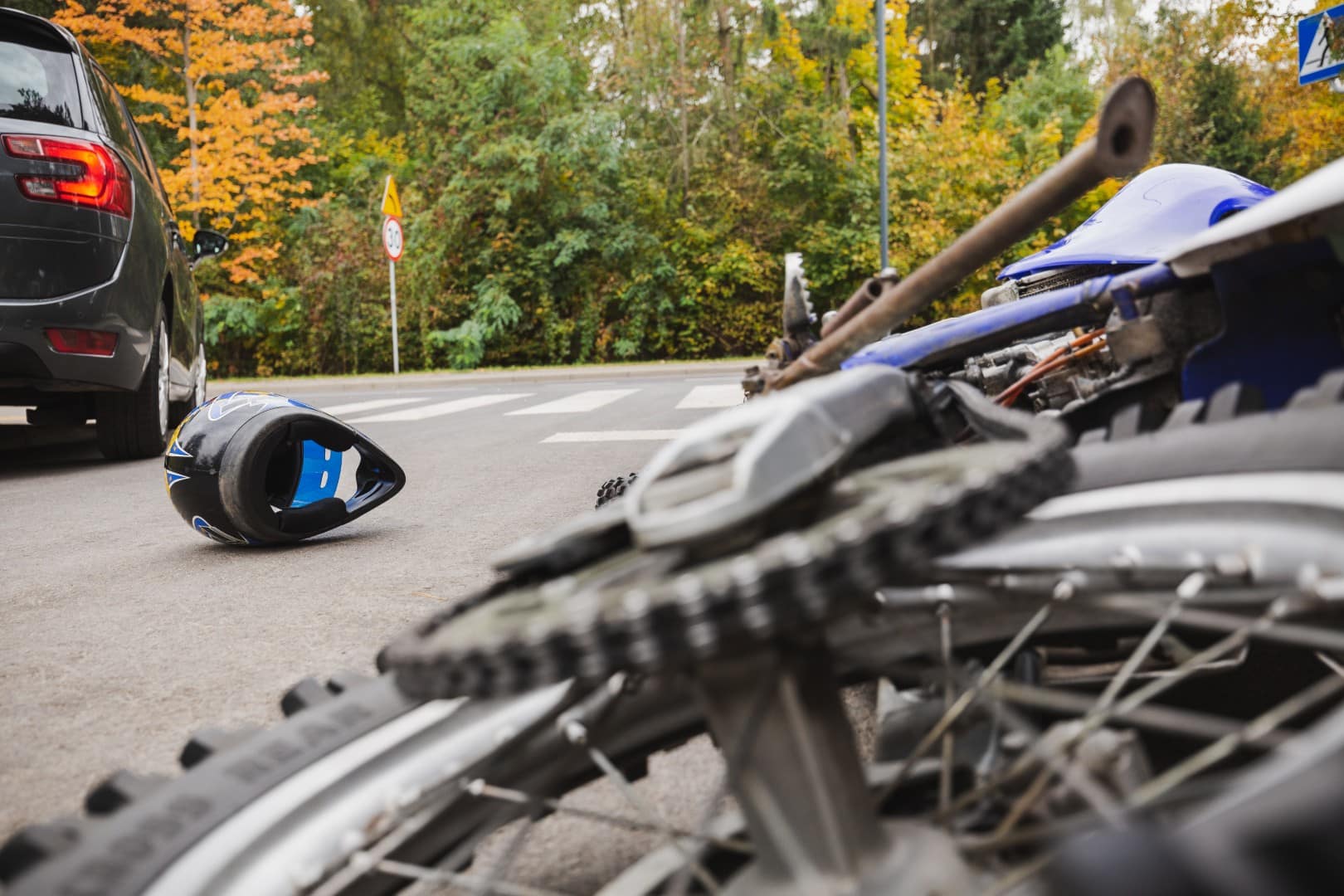
In powersports, even with the best precautions, accidents happen. A scrape on a rocky trail and a mishap on the water both start the same insurance process, and what happens in the first hour afterward usually shapes how smoothly the claim moves from there.
After an accident, make safety the immediate priority. Check for any injuries to yourself and others involved, and call for medical assistance if necessary. What counts as safe differs by where it happened: on a trail, that usually means getting the vehicle off the path before checking it over; on the water, it means getting everyone back to shore or a dock first.
Once everyone is safe, look over the vehicle for damage specific to what caused the crash. A trail spill tends to show up in bent forks, cracked plastic, or a dented frame. A dock mishap or a hard wake landing on a jet ski is more likely to hide damage in the hull or intake, damage that may not show until the engine runs rough later. Noting what you see now, even if it looks minor, matters for the claim later on.
To bolster your insurance claim, capture as many details about the accident as possible. Photograph the damaged areas on your vehicle along with wide-angle shots of the scene for context. On a trail, that means the obstacle, rut, or grade that caused the spill. On the water, it means the wake, other boat traffic, or dock condition at the time, details an adjuster can’t see once the water’s settled and the scene is gone.
Collect contact information from any other involved parties, including drivers or witnesses, and any insurance information relevant to the incident. Witnesses can provide valuable statements that support your version of events, particularly if the cause of the accident is later questioned. This evidence is often crucial in supporting your claim and helps paint a complete picture for your insurance provider.
Reporting the accident to your insurance provider immediately is essential to a successful claim. When speaking with your provider, provide a clear account of the incident, including the time, location, and details of any damage or injuries. Be prepared to share your documentation, including photos and witness information, to support your claim.
Insurance companies often have specific timelines for submitting claims, so acting quickly helps avoid any delays or complications. After you report the accident, your provider will tell you the next steps, including any required forms, documentation, or inspections.
While some damage may seem cosmetic, accidents can lead to underlying issues that aren’t immediately visible. A full inspection from a qualified repair shop should go past the obvious damage, checking for internal issues that could affect performance even when the outside looks fixable.
This kind of assessment produces a clear repair estimate, which insurance companies typically require to process your claim. A shop that documents damage accurately gives the claim a stronger foundation and a better shot at restoring the vehicle to its pre-accident condition.
When an insurer decides to total a powersports vehicle instead of repairing it, that decision depends on the insurer’s evaluation of your policy and the repair estimate your shop submits, not a fixed percentage that applies to every claim. Illinois sets specific damage thresholds for a few situations, self-insured companies, repossessed vehicles, fleets, and flood-damaged vehicles, but a standard insurer-paid claim on a motorcycle, ATV, or UTV works differently, based on the insurer’s assessment rather than a set number.
Once an insurer pays out a total loss claim, the vehicle legally becomes salvage, and the insurer has to file the title with the Illinois Secretary of State within 20 days. When it comes to salvage title vs rebuilt title, the two mark different points in the same vehicle’s life:
Illinois does allow an owner to retain certain total-loss vehicles if the owner and the insurer agree to it:
Outside of those two situations, a salvage title follows the vehicle permanently, which is worth knowing before you decide whether to push for a repair or accept the payout.
If a crash leaves you wondering where your claim is headed, the answer comes down to a simple comparison: repair cost versus the bike’s value. A shop that provides insurance diagnostics and repairs for motorcycles in Chicago puts those two numbers side by side before you decide.
Most claims move in stages: report, assessment, offer, repair or payout. If a claim stalls at any point, ask specifically what’s holding it up and get a date for the next update, rather than waiting for the provider to call.
If the offer looks low compared to your repair estimate, send the provider the shop’s full assessment and ask them to explain the gap in writing. A documented disagreement over the numbers tends to move the claim forward faster than a general follow-up call.
From the first assessment at the scene to the final offer, each stage adds something to the record the last one didn’t: documented damage, a provider on notice, a professional estimate, a clear answer on total loss. Showing up prepared at each one is what keeps a claim moving instead of stalling.

