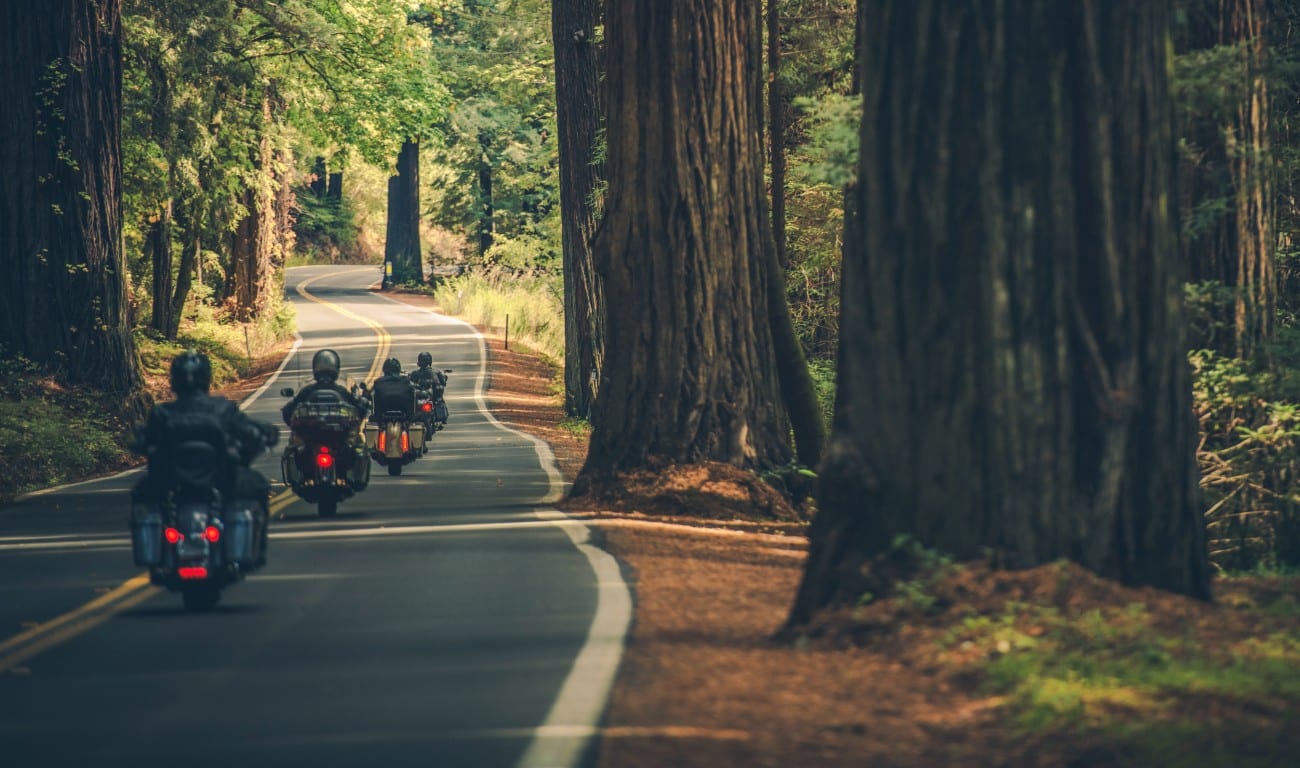
Riding with others transforms solo journeys into shared adventures. The camaraderie creates lasting friendships and unforgettable memories on the road. However, riding together requires specific skills and etiquette that differ significantly from riding alone. Understanding these unwritten rules keeps all riders safe while maintaining the social aspect that makes these experiences special.
The ideal motorcycle pack size is five to seven bikes maximum, as larger numbers become difficult to keep together at intersections and create longer gaps in traffic. Every successful outing begins with a brief meeting that sets clear expectations and prevents confusion, happening while everyone is still preparing their bikes.
During this meeting, cover the planned route, fuel stops, rest breaks, and emergency procedures, while sharing the destination with all participants, including GPS coordinates, so if someone gets separated, they can rejoin at the endpoint.
Prior to departure, designate two key positions: the lead, who sets the tempo and navigates the route, and the sweep, who brings up the rear, ensuring no one falls behind while assisting with mechanical problems.
Finally, review motorcycle hand signals at the pre-ride meeting so all riders understand the same gestures and can communicate effectively. At the start of the season, many riders also schedule a professional detail or inspection. It helps the bike look good for the season while catching leaks, worn tires, or loose components before longer rides begin.
The staggered arrangement positions the lead in the left third of the lane, with the second following at least one second behind in the right third, creating a zigzag pattern that provides maneuvering space while keeping everyone compact. This setup is standard for open roads.
Maintain at least a two-second following distance from the bike directly in front by counting “one thousand one, one thousand two” as they pass a fixed object. If you reach that point while still counting, increase your distance.
When conditions require extra space, switch to single file on winding roads, in curves, during poor visibility, or in heavy traffic, then return to staggered once conditions improve.
The lead initiates most warnings, but anyone can alert others about hazards they notice. Key gestures include:
These gestures help everyone adjust smoothly and stay alert to changing conditions.
The leader should always set a pace that works for the least experienced rider in the group. Faster riders can enjoy open sections briefly, but the group should regroup naturally without pressuring anyone to ride beyond their comfort level.
Most importantly, maintain your own speed and never feel pressured if conditions exceed your skill level. Knowing the pack waits at designated points and that running red lights or unsafe passes to catch up defeats the purpose of traveling together.
Check your mirrors periodically to monitor those behind you, and if someone falls back, slow down slightly. When each person follows this practice, the pack maintains steady speed and trailing bikes don’t need to constantly speed up and slow down.
Above all, avoid sudden movements, as quick braking, rapid acceleration, or unexpected lane changes create chain reactions, while smooth and predictable behavior keeps everyone at ease.
Never crowd others, as tailgating is more dangerous when traveling together because multiple bikes can be involved in a single incident.
Similarly, don’t pass internally unless absolutely necessary, since this creates confusion about positions, and if you want to switch spots, simply wait for the next rest stop.
Additionally, resist the urge to show off, because pack mentality sometimes encourages normally cautious people to take unnecessary risks, and stunting or aggressive behavior endangers everyone.
Finally, avoid distractions, as traveling together requires constant attention to those around you, road conditions, and upcoming warnings.
Show up early with a full tank and appropriate gear for the day’s weather, giving you time to understand the plan and address any questions. Chicago conditions change quickly, so pack rain gear even when the forecast looks promising.
Check your bike when leaving home. Tire pressure, brake response, turn signals, and horn all matter more when you’re depending on clear communication and predictable handling. A mechanical issue that’s inconvenient solo becomes a problem for everyone when traveling together.
After finishing, thank whoever organized and led. Route planning takes effort that often goes unacknowledged, and that recognition makes people more willing to lead future outings.
This works best when each person understands their role, communicates clearly, and respects both the tempo and space of others around them.

