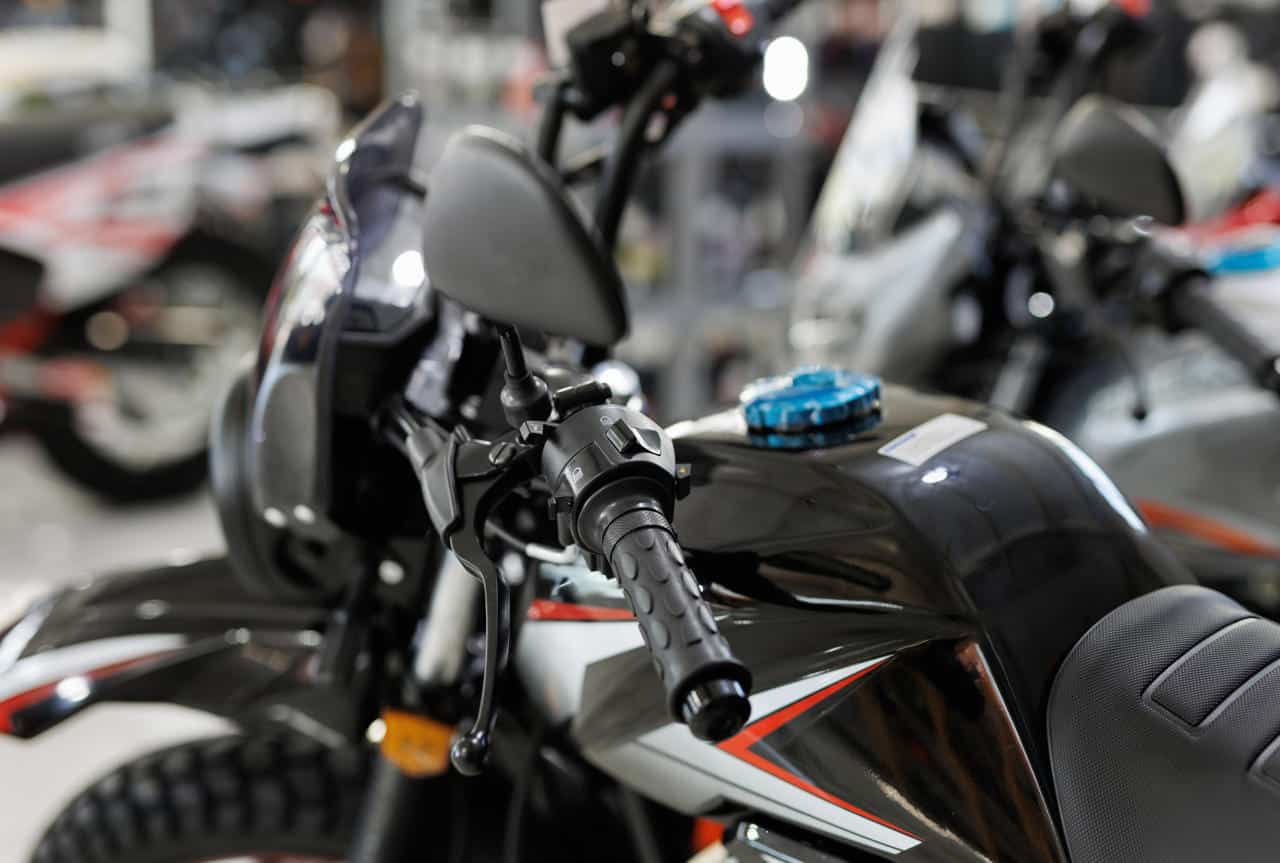
A new motorcycle rolls off the dealer’s lot with a nearly blank odometer and a few pages in the owner’s manual that many riders skim. For a while, those pages deserve more attention than the rest of the book. Factory testing and the dealer’s setup confirm that the bike runs correctly, but they don’t replace road miles. Piston rings still have to seat, tires and brake pads call for gentle use, and the final drive may require adjustment.
Rules differ by model, but the core advice repeats from one handbook to the next. Vary the engine load, avoid full throttle, and return for an early service. Most manufacturers set that visit around 500 to 600 miles, though some ask for it closer to 300 and others wait until 1,000. A calendar deadline can apply even when the bike has barely moved.
Fresh piston rings need varied pressure against the cylinder walls to seat properly. Suzuki’s Australian owner’s manual for the DR200S warns against babying the engine. In its words, “Operating the engine at constant low speed (light load) can cause parts to glaze and not seat in.”
Varying the load doesn’t mean jerky inputs. On a suitable road, changing gears, accelerating gently, and backing off gradually all shift the load naturally. Long stretches at one fixed setting undermine the process.
Manuals set their limits in three different ways, and knowing which one your bike uses tells you what to watch:
Harley-Davidson, Kawasaki, Ducati, and KTM each publish their own rpm figures, and they differ enough that one brand’s number tells you nothing about another’s. Your own manual settles it.
The habits behind those numbers overlap. Harley-Davidson, Indian, and Triumph all warn against lugging the engine at very low rpm in a high gear, which loads the engine hard while giving the rings little help. Royal Enfield suggests varying speed by about 10% while cruising on the Classic 350, and Triumph’s Modern Classics handbook asks owners to remain under three-quarters of the bike’s maximum speed for 500 miles. Both point the same way: steady, flat cruising is the thing to avoid.
Tires can arrive with a slick tread or a thin film from the molding process, and both limit grip at first. Michelin traces its shiny surface layer to demolding products, while Continental describes a sleek surface that calls for gradual roughening. Kawasaki’s handbook sums it up: “New tires are slippery.”
A cold Chicago spring morning calls for extra patience, because Michelin notes that lower temperatures extend the process. The company also recommends mixing in varied roads, since commutes can favor one side of the tire. Abrasive products have no place on the tread.
Unused pads and rotors take time to mate. Harley-Davidson asks for moderate braking over the initial 100 miles, while Indian says pads can take up to 250 miles to match their rotors. Galfer, a brake manufacturer, suggests 10 to 20 progressive slowdowns from about 40 mph, with cooling time between sets. Its bedding period runs 100 to 200 km. Those exercises belong on an empty road, and the bike’s own instructions outrank a parts maker’s advice.
None of that comes before safety. Break-in guidance covers ordinary riding, and an emergency still calls for whatever braking force the moment requires. Triumph’s handbook says as much, ruling out aggressive stops “except in an emergency.”
Chains need attention from the start. RK, a chain maker, advises checking adjustment after 50 miles and again at 200, using the motorcycle manufacturer’s specification. Ducati’s running-in instructions also tell owners to check the chain frequently and lubricate it as required. Between those checks, cleaning and lubricating the chain on a regular routine protects both the links and the sprockets.
Belt-drive motorcycles skip lubrication, but their belts and sprockets still require inspection and adjustment at the listed intervals. Shaft-drive bikes avoid both chores, though their gear oil and inspections follow the manufacturer’s own timetable.
Suzuki calls the DR200S’s 600-mile checkup “the most important service your motorcycle will receive.” Kawasaki describes its version as “vitally important.” The interval itself falls into three rough bands:
Many manuals set a date as well as a distance. Ducati ties the Monster’s visit to 620 miles or six months after the bike reaches its owner, whichever comes sooner, and the Sabre’s chart adds a one-month limit. Those calendar limits decide the appointment for weekend-only riders, because the date arrives long before the mileage does.
Most first services bring an engine oil and filter change, inspections of the brakes, controls, fasteners, and drivetrain, and on some engines a valve clearance check. From there, how frequently the oil needs changing depends on the manufacturer, the oil type, and the riding.
The visit doesn’t always end the break-in. The DR200S throttle limit and the MT-07’s staged rpm guidance both run to 1,000 miles. It also doesn’t replace everyday checks on tire pressure, fluid levels, leaks, loose parts, and the chain or belt.
A few warranty booklets tell owners to use an authorized dealer. Under the Magnuson-Moss Warranty Act, though, the FTC says an independent motorcycle repair shop or the owner can perform routine maintenance. A manufacturer can’t reject a claim on that basis alone, though it can deny coverage for damage caused by improper work. Dated receipts are the strongest proof.
Break-in asks for restraint more than skill. Varied revs, gentle stops, and patience with unscuffed rubber give each part an even start. The owner’s manual remains the deciding reference, since the right numbers belong to one specific motorcycle rather than to a whole brand.

